

THE LADDER
A space for shared knowledge, care, and community.

The Legacy of Black Birthwork
Explore the history and legacy of Black midwives and birthworkers, and why culturally grounded care remains essential to improving Black maternal health outcomes today.
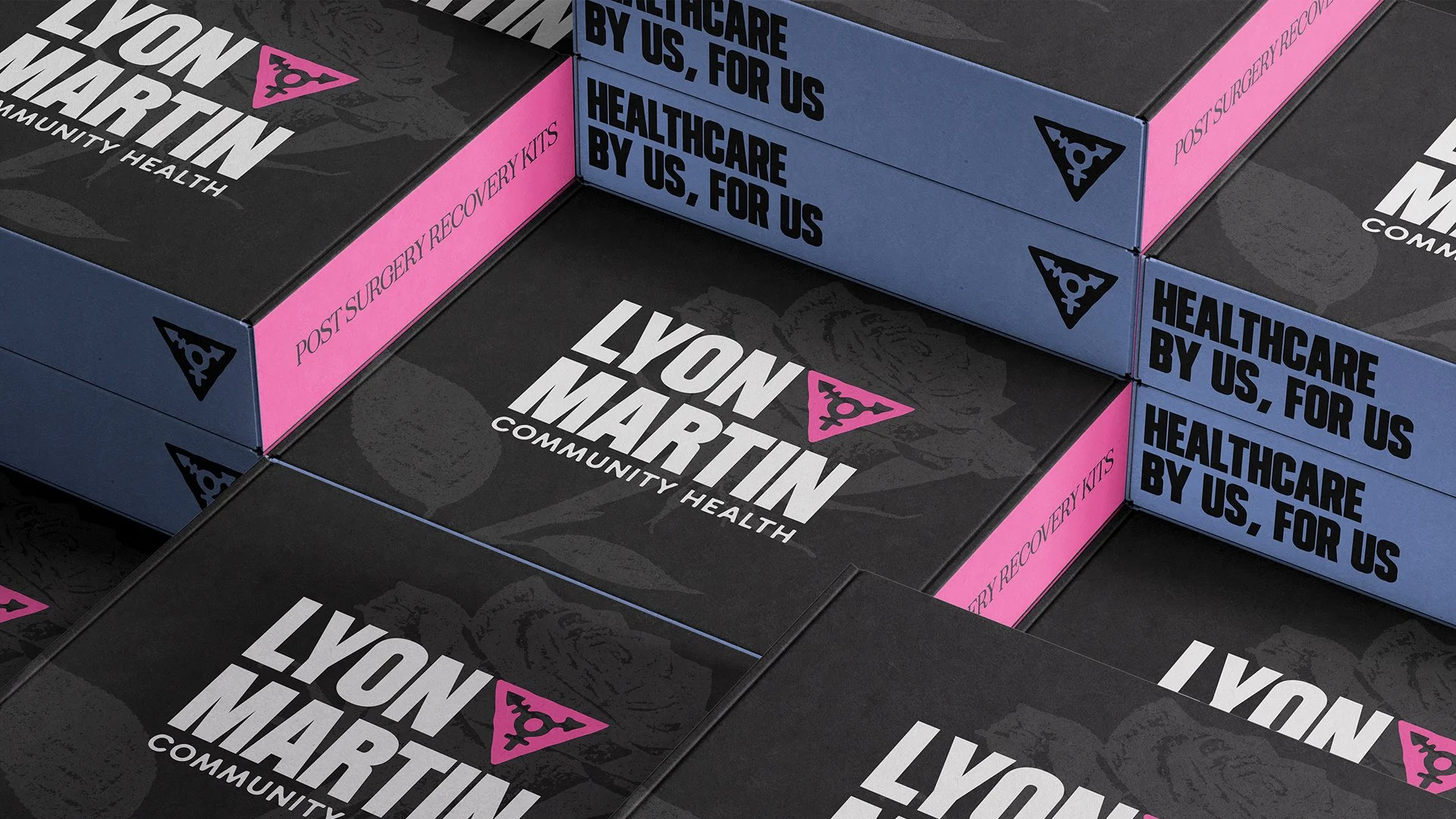
LYON-MARTIN’S Evolved Brand Identity
Lyon-Martin introduces its evolved brand identity, rooted in community care, queer history, and health justice. Explore our updated look, voice, and vision.
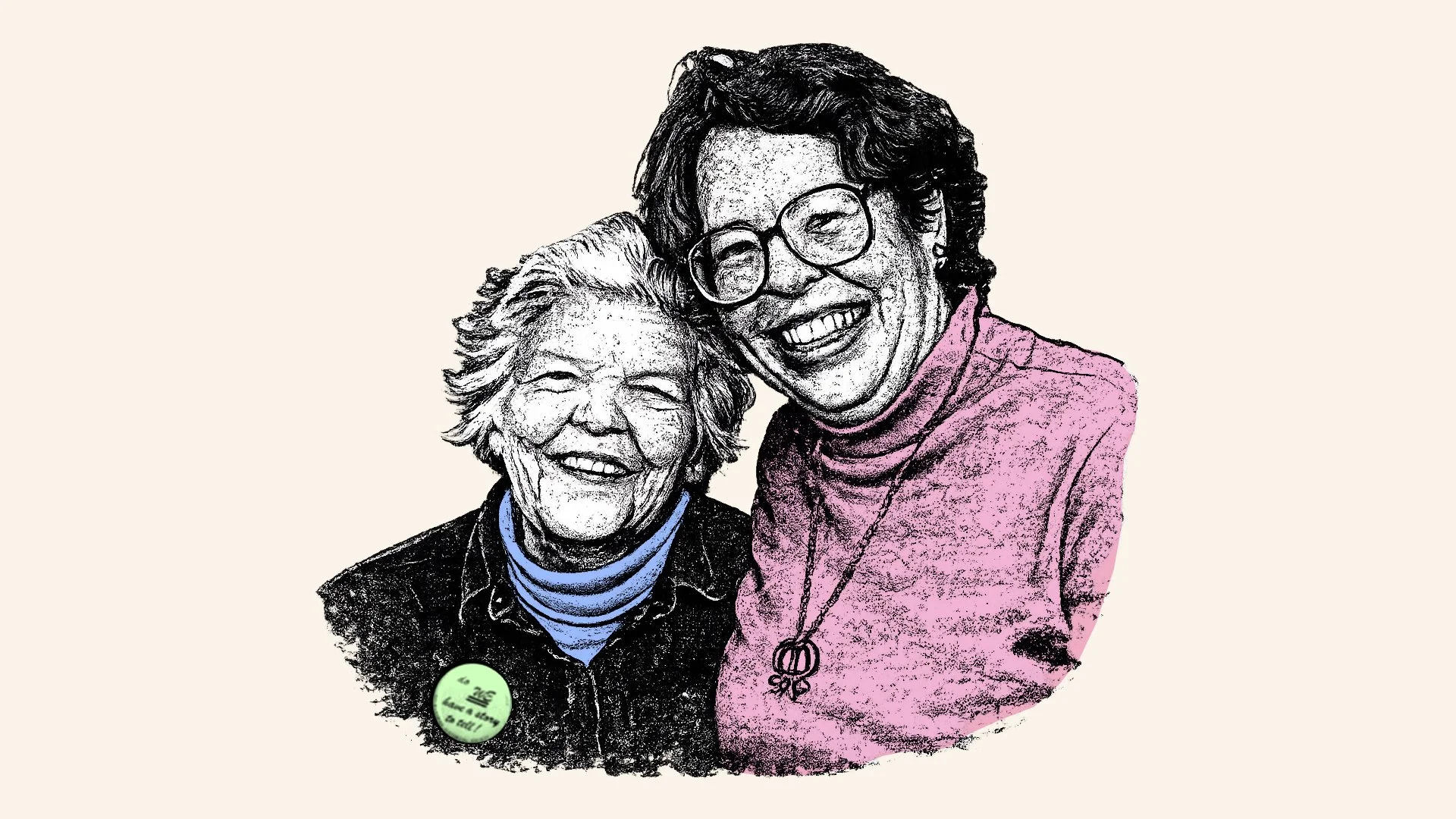
Why Phyllis Lyon & Del Martin Still Matter Today
Learn why Phyllis Lyon and Del Martin still matter today, from founding the Daughters of Bilitis and The Ladder to shaping a lasting legacy of queer community care and liberation.

The History of Lyon-Martin
Learn the history of Lyon-Martin Community Health Services, from a volunteer-run lesbian health clinic in 1979 to a leading queer community health center serving thousands today.
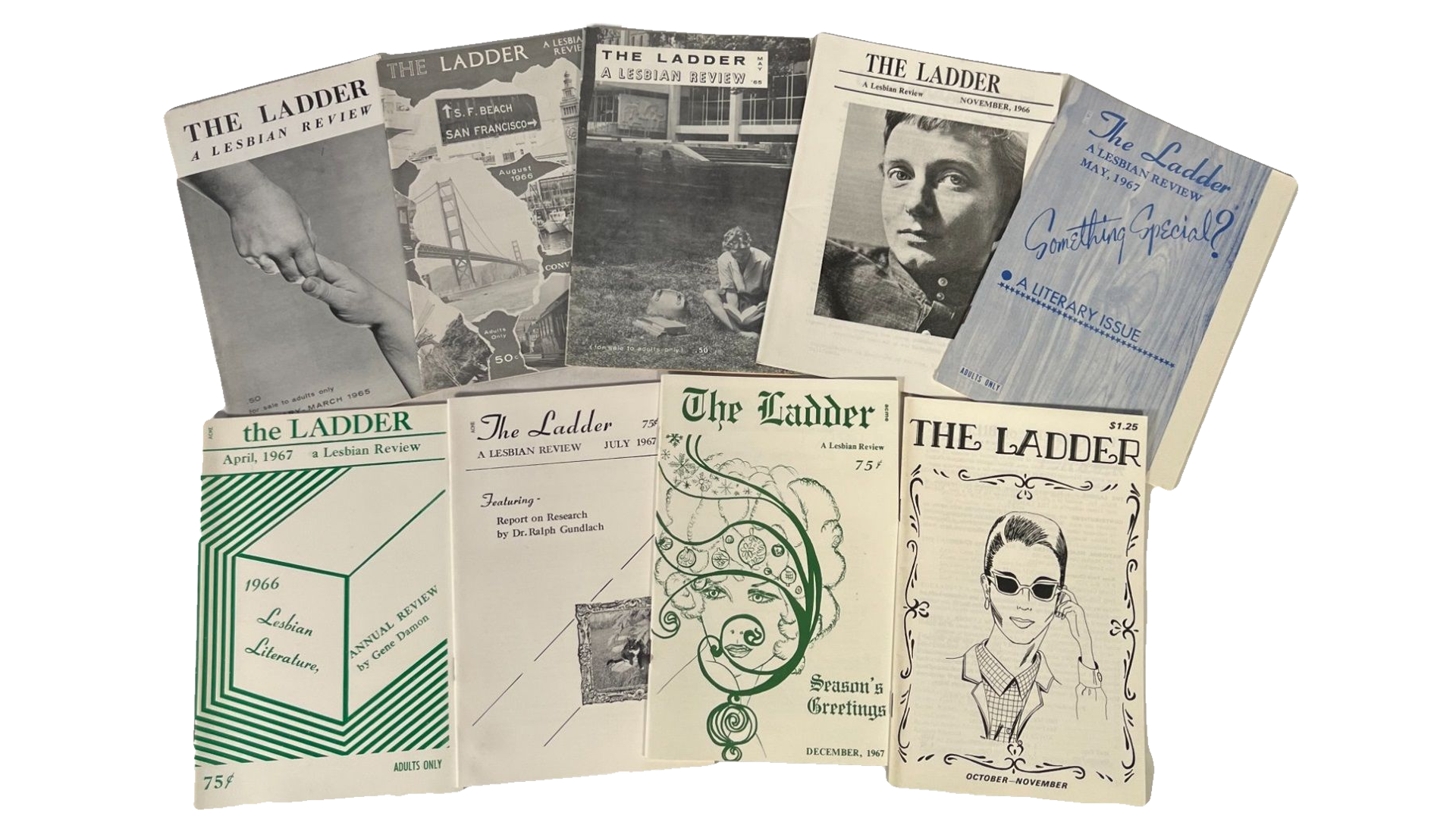
The Ladder: How a Lesbian Magazine Helped Build a Movement
Explore the history of The Ladder, the first nationally distributed lesbian publication in the United States, and how its legacy connects to Lyon-Martin Community Health Services today.

Women Who Advanced LGBTQ+ Health & Equity
Learn about the queer and trans women whose leadership advanced LGBTQ+ health, reproductive justice, and community care movements.

What Is Gender-Affirming Care?
Learn what gender-affirming care is, why it’s evidence-based, and how Lyon-Martin provides community-centered, affirming healthcare for all bodies.
What Primary Care Looks Like at a Community-Led Clinic
Learn how primary care works at a community-led clinic like Lyon-Martin, where inclusive, evidence-based, and trauma-informed care comes first.
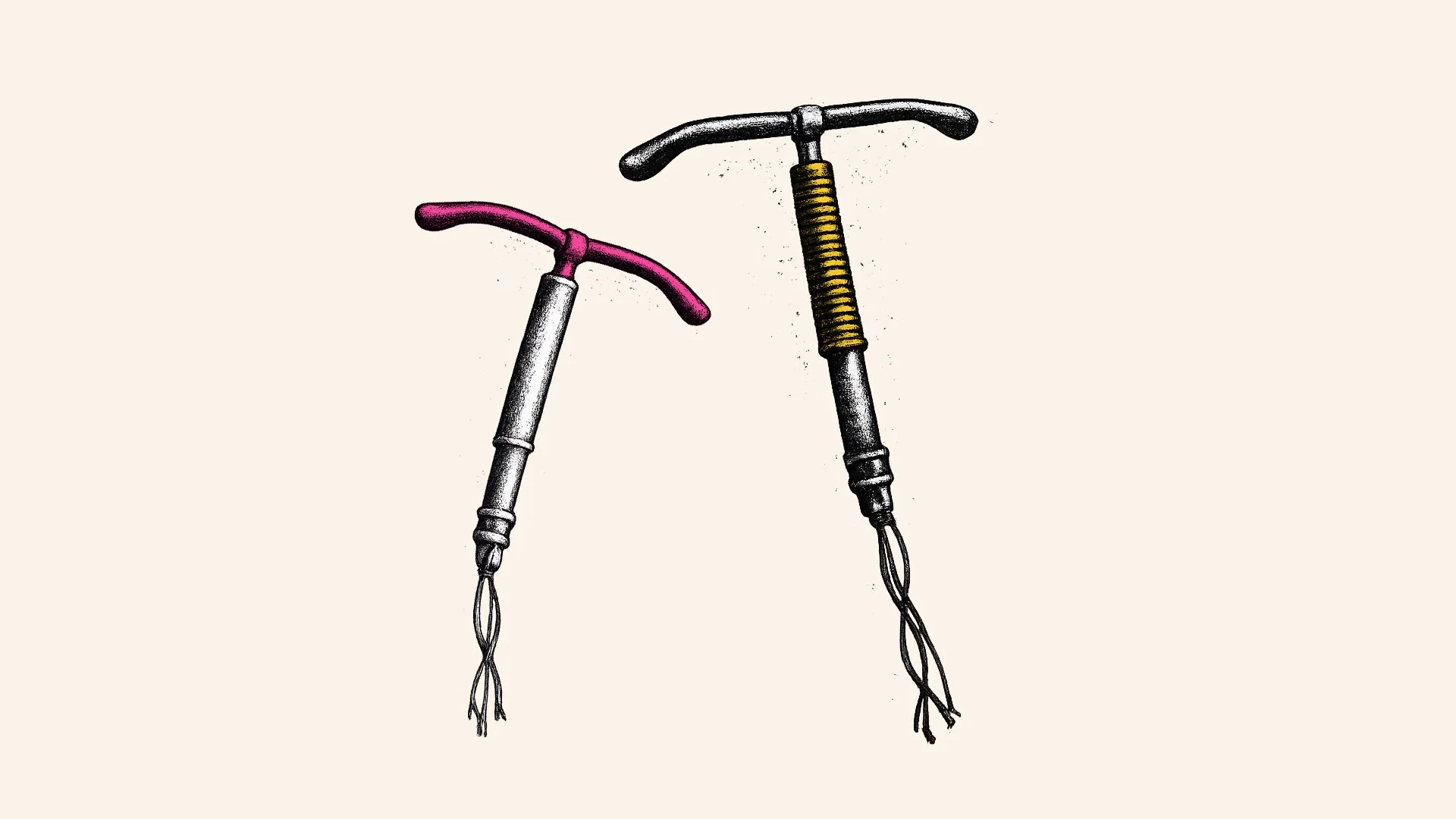
Which IUD Is Right for Me? Comparing IUD Options
Compare Paragard, Mirena, and Skyla IUDs, including how they work, side effects, period changes, and how long each lasts.

Mpox: Symptoms, Transmission, Testing, Treatment, and Prevention
Learn about Mpox symptoms, how it spreads, testing options, treatment, and how to prevent infection, including vaccination. Clear, factual information.

The Ladder is named in homage to The Ladder (1956–1972), the first nationally distributed lesbian publication in the United States.
Published by the Daughters of Bilitis, the first lesbian organization in the U.S., The Ladder was more than a magazine. It was a lifeline. At a time when isolation, criminalization, and silence defined queer life, The Ladder created connection across distance, fear, and invisibility. It offered education, shared stories, political analysis, poetry, and care, often produced quietly, anonymously, and with immense personal risk.
The name itself came from the magazine’s first cover, simple line drawings of figures climbing toward a ladder that disappeared into the clouds. A symbol of reaching upward. Of movement. Of becoming. Of finding one another.
For many readers, The Ladder was the first place they saw themselves reflected, affirmed, and named. Historian Marcia Gallo described it as “a means of breaking through isolation and fear,” a sentiment that deeply resonates with Lyon-Martin’s own origins and purpose.